Litigation in Singapore
Singapore is an economically progressive island-nation in the tropics between Malaysia and Indonesia. I’d like to tell you how big it is, but its size changes because the city-state is constantly undergoing land reclamation. In April, I had the pleasure of speaking with Yun Heng Lim, now an Associate Director at LVM Law Chambers LLC.
Why should you continue reading this post about litigation in the Republic of Singapore?
You heard the capital was referred to as “Lion City,” “Garden City,” or “Little Red Dot” and can’t decide if you are Team Lion or Team Dot.
You want to know what’s on the other end of the internet cable from Palau.
You fell in love with the scenery in the rom-com “Crazy Rich Asians.”
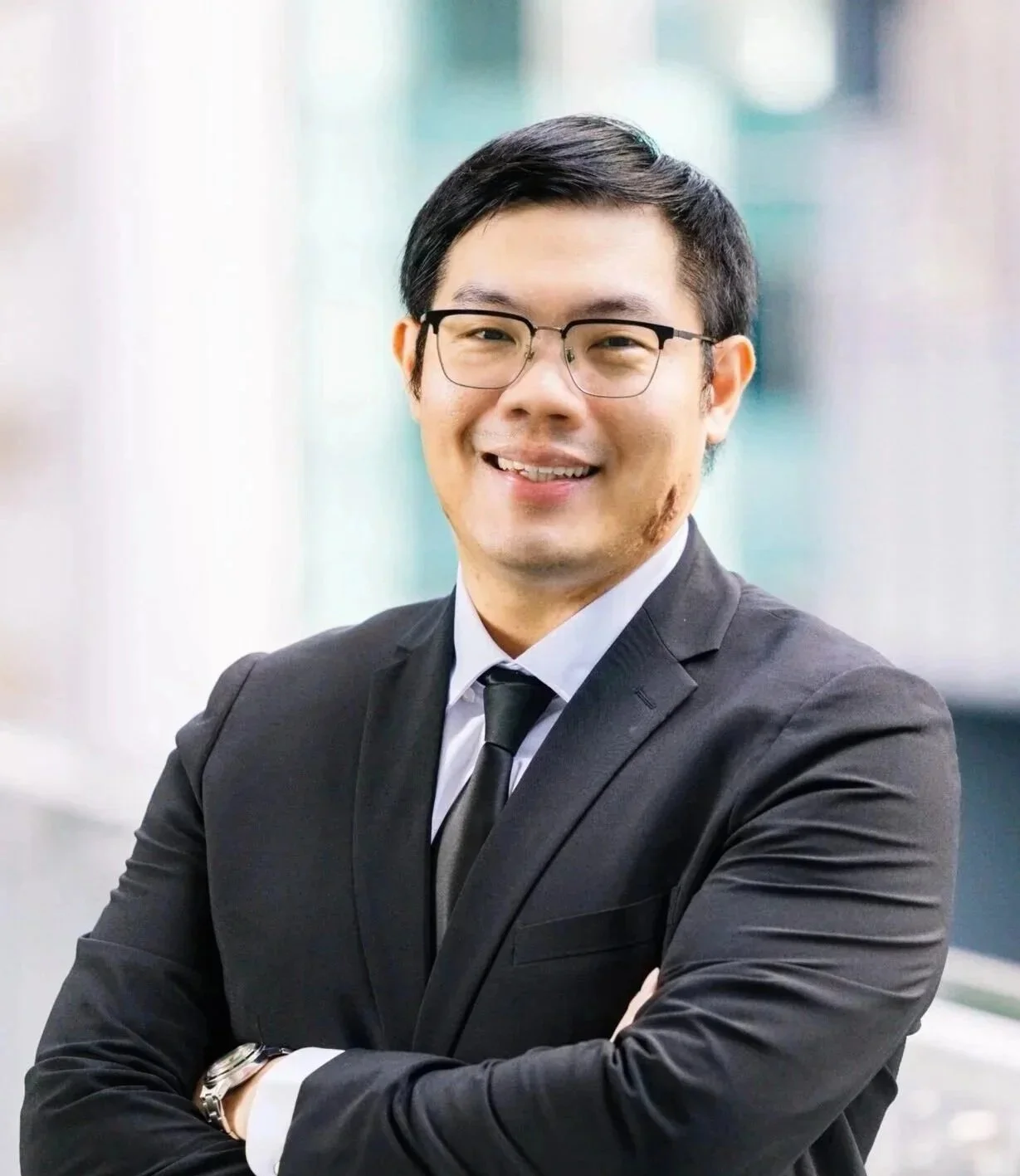
Photo credit: LVM Law Chambers LLC, courtesy of Yun Heng Lim.
Yun Heng Lim is an Associate Director and commercial litigator at LVM in Singapore. This interview was lightly edited.
Can you tell me about the kinds of disputes you handle in your legal practice?
The main clientele I serve are commercial disputes, with spillover into employment, fraud, and anti-competition law. My former firm, Kalco Law LLC, is a full-service firm that covers matrimonial disputes, criminal defense, estate disputes, corporate M&A, and conveyancing. I am now at LVM Law Chambers LLC, a boutique dispute resolution law firm that handles matters from aviation to white-collar crime.
What type of clients do you generally represent in disputes?
There is a strong focus on serving the community at large while being trusted by the larger businesses and business owners. So they range from your man in the street to multi-national corporations.
Besides Microsoft Office, what software do you use in your practice?
I heavily rely on PDF editing software for the compilation and marking of documents for use at hearings and trials. There is also an increased use in our field of generative AI to address some of the inefficiencies of drafting routine letters from scratch. That said, this entire set of answers were drafted without the use of AI.
What books and websites do you use for legal research?
Locally, we have a number of authoritative textbooks of legal procedures and substantive laws, published mainly by the Singapore Academy of Law. When it comes to looking for precedents, we also use international sources such as those provided by Westlaw, Lexis, and those which are hosted by the country's judiciaries.
Do you electronically file pleadings with the court? Or must you send paper copies to the courthouse?
We file them electronically with the Service Bureau through eLitigation.
Generally, how many pages are complaints or initial pleadings?
They can be short as three pages and as long as hundreds of pages, depending on a case’s complexity. One major change in the way pleadings have been done since the introduction of the Rules of Court 2021 is that the pleadings are now merged into one document where the latest filed pleading incorporates all the earlier pleadings. There is no longer a need to reference different documents in order to understand the parties’ evolving positions in a dispute.
How long does it take for a case to go from complaint to judgment?
Depending on whether default judgment is available, it can take anywhere from 21 days to a year.
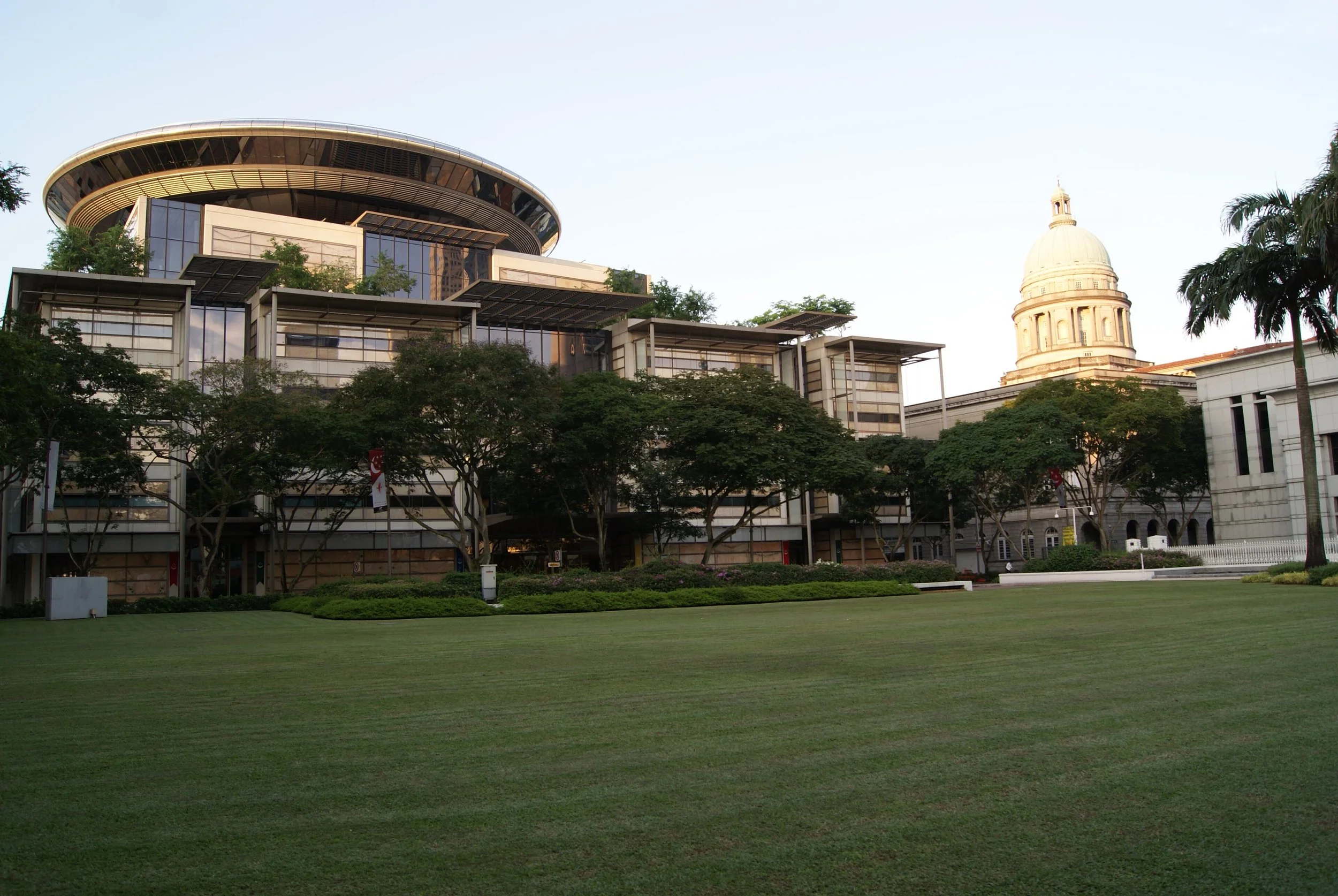
Old and New Supreme Court Buildings of Singapore.
photo credit: Jacklee., Supreme Court of Singapore - 20100830-01, CC BY-SA 3.0
Does Singapore have specialized courts that only hear commercial cases?
Yes and No. Yes, because there is the Singapore International Commercial Court, but no, because it is not for domestic commercial disputes. Instead, Singapore has specialised judges who frequently hear cases within their domain expertise. You can find these under "Specialised Lists” in the General Division of the High Court.
Who decides the facts in a commercial case—a judge or a jury?
A Judge. The jury system has been abolished for over 50 years.
How is evidence exchanged between the parties before trial? Do you get to interview opposing witnesses before the trial?
The exchange of documentary evidence in discovery can take place before or after a party’s witness statements are submitted, depending on the case. Interviewing an opposing witness is unusual but not unheard of.
Singapore has four official languages. What languages are court proceedings and judicial decisions in?
English. Interpreters are used for witnesses who only converse in other languages.
The legal system in Singapore is based on English law. Do lawyers or judges often cite it, or the laws of other countries, in arguments or decisions?
When we cite English Law or the laws of other countries, it is typically to aid in the interpretation of statutes and to consider how other countries with similarly worded provisions have applied them. With respect to foreign judgments, we may rely on them when a particular issue has yet to be fully addressed locally. The latter situation is, however, decreasing over time as our local jurisprudence becomes more robust.
Does the losing party in a litigation pay the legal fees of the winning party?
The winning party is entitled to be compensated for a portion of their legal costs. However, that is not an immutable rule. The Courts have a wide discretion to adjust that award depending on a party’s conduct, the solicitor’s conduct, and genuine attempts made by a losing party to resolve the matter without going to trial.
Are Singaporean courts open to the public?
Yes, ordinary people can observe commercial trials, though they may not fully appreciate the facts without also reading the pleadings. It is common for the public to attend trials involving famous people. Some even queue up in the wee hours of the morning to secure a seat.
Do Singapore courts have a strength for resolving commercial disputes?
The Singapore Courts deal with a high volume of all sorts of commercial disputes. The Singapore International Commercial Court specialisation in international commercial disputes, for example, streamlines complex cases with informed judges. The panel of judges in such courts is populated by international judges sitting with local judges.
How often do you go to the courthouse? When you are there, do you need to wear a special robe or wig?
Physically going to court has become a rarity since 2020. Most hearings now take place by videoconference, and even trials can be conducted completely virtually.
A robe is only necessary during specified hearings, a trial in the High Court, or appeals in the Appellate Division of the High Court or the Court of Appeal.