![Litigation in Cameroon]()
In Cameroon, some courts follow the common law system and others follow the civil law system. This is due to the bijural nature of the country that dates from time of colonisation by Britain and France. In the Supreme Court, common law and civil law judges sit together as a panel to hear matters. Each type of judge decides matters concerning their legal system.
Read More
![Class Actions]()
Many class action settlements are very low. Sometimes the class members get fewer than a hundred dollars, or even no money at all, but a free product instead. This is because the damages to individual plaintiffs may be low, and because settlements generally do not fully compensate plaintiffs as they reflect a compromise between the parties. But even when the payments to class members is low, the plaintiffs’ attorney may receive a substantial payment from the defendant for their fees working on the case.
Read More
![Learning Case Facts From Documents]()
Once a lawyer has reviewed all of the documents, she may re-review them with the knowledge she gained from reviewing other documents. In this phase, e-mails and documents that did not seem to provide information before may seem very different. For example, once the reviewer learns how rarely the president of the company writes about a subject, and email from her may seem more important than it seemed at first.
Read More
![Comments on Recent Cases: June 2021]()
A party in litigation may give an adversary a series of statements to which they must admit or deny. For example, one may say “Admit you were an employee of X Corp. on January 5, 2017.” These are called “notices to admit.” But courts have held that their use has limits.
Read More
![Sworn Statements]()
An affidavit will often have the “caption” or the name of the relevant lawsuit at the top of the page. Beneath that is usually the title of the document in all caps: AFFIDAVIT OF JANE SMITH. And then after a paragraph that says that the person who signed the affidavit (often called the “affiant”) did so under oath, there are usually a series of numbered paragraphs.
Read More
![Amended Complaints]()
If a complaint alleges fraud, the complaint may be vulnerable to a motion to dismiss if it does not allege that the defendant knew her statements were false at the time she made them because that is a necessary component of the claim. If the defendant moves to dismiss on those grounds, the plaintiff may address the deficiency by amending her complaint to include the necessary allegation.
Read More
![Litigation in Native American Tribal Courts]()
Tribal courts will hear contract cases if there is a clause in a contract in which the parties agree to tribal court jurisdiction. They generally will honor contract forum selection clauses, but if there is a non-sophisticated party that didn’t understand the contract when he or she signed it, the tribal court may disregard it.
Read More
![Joint Defense Groups]()
Counsel for minor participants often listen carefully to each of the joint defense calls to make sure that none of the issues negatively affect their clients. Since the major participants may not be thinking of the minor participants when doing their work, it is up to the minor participants’ counsel to make sure that their clients’ interests are protected.
Read More
![Comments on Recent Cases: May 2021]()
To survive a motion for summary judgment, a plaintiff usually needs to submit some evidence that could support an eventual win at trial. Though they can do this by submitting a sworn statement, a court often will disregard a witness statement if it contradicts his deposition testimony. This prevents lawyers from “fixing” a bad statement at deposition by writing up a better answer later.
Read More
![The Uniform Commercial Code]()
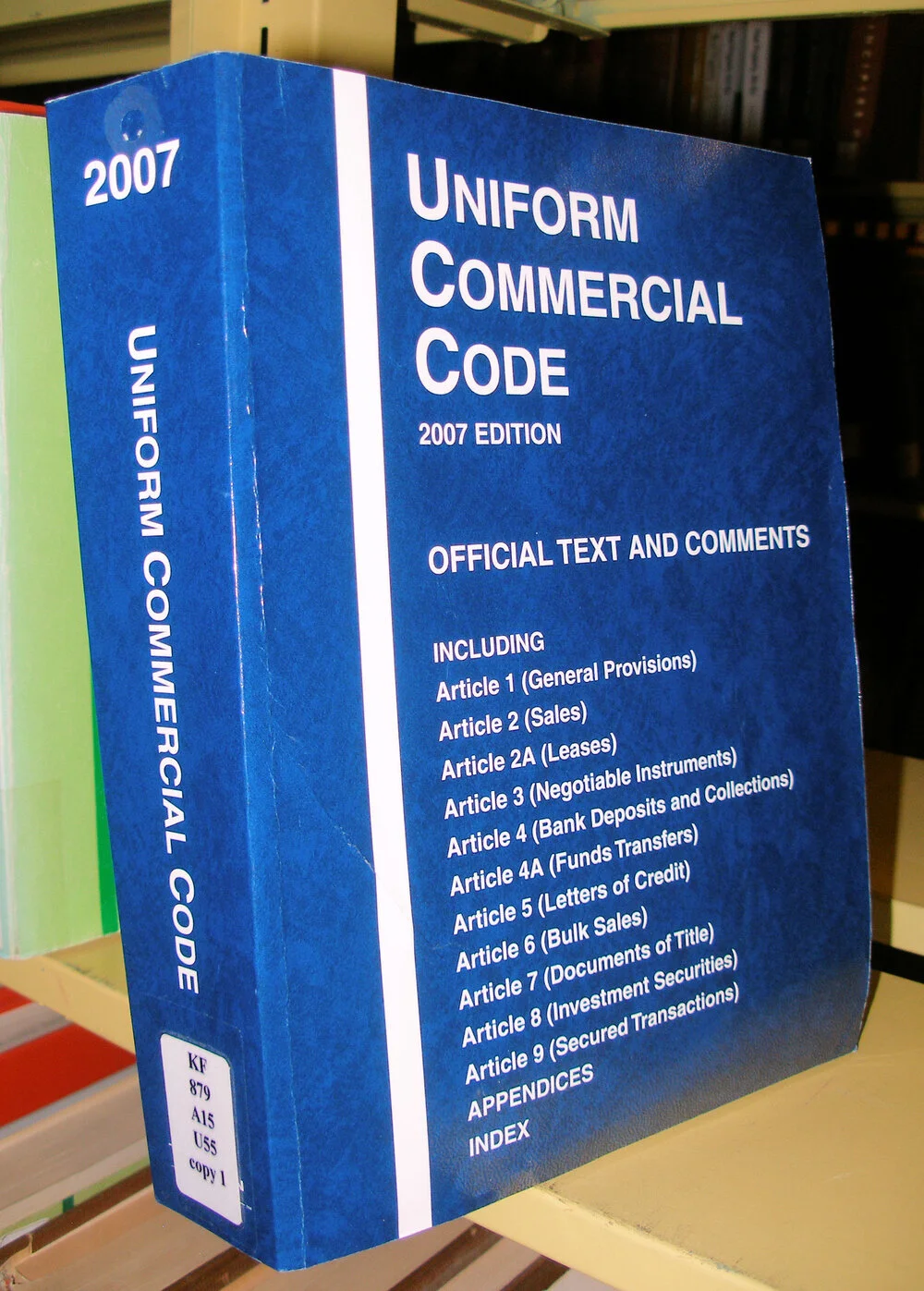
The UCC provides a lot of rules about what happens in the event of a breach. For example, it holds a seller responsible for the quality of goods it ships until the goods arrive at the buyer’s location, except in certain specific situations. And it sets forth how a buyer can reject defective goods.
Read More
![Hearsay and Foundation Objections]()
At trial, technical rules dictate what evidence is admissible and what evidence is not. Not only does this require lawyers to do a lot of work before trial to make sure their evidence is admitted, but it could baffle some people about why some great evidence wasn’t included.
Read More
![Litigation in Saudi Arabia]()
The court may apply foreign law as long as it does not contradict or conflicts with Saudi law or Sharia. This is because the first article of the Saudi Litigation Law says that "courts shall apply the provisions of Sharia to cases brought before them, as derived from the Quran and Sunnah, and State laws not conflicting therewith. Proceedings before such courts shall comply with the provisions of this law. Therefore, when applying a foreign law, the court will make sure it does not conflict with the laws of Saudi Arabia or Sharia.
Read More