![Litigation in Vietnam]()
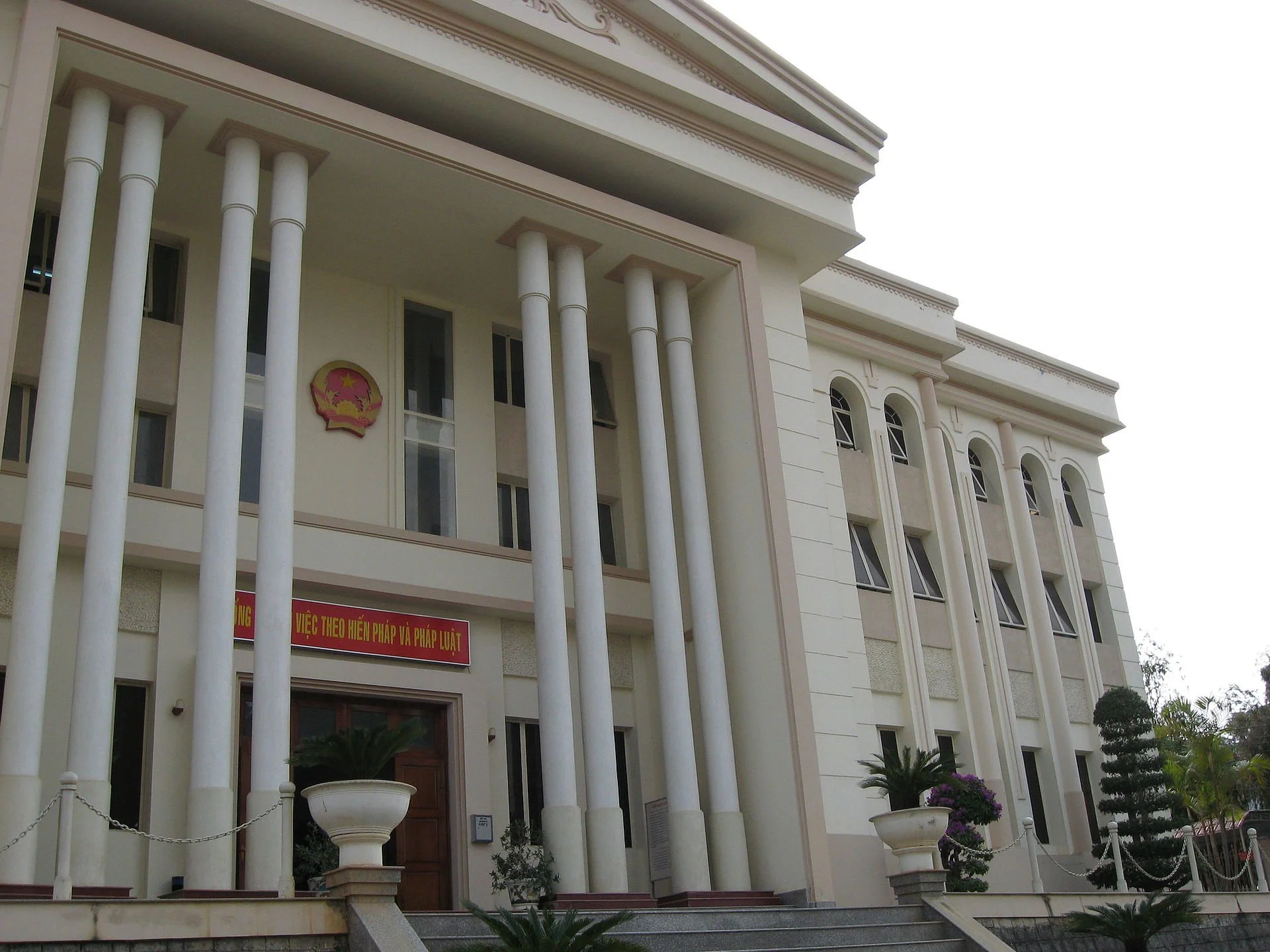
Lower-level courts often consult with the higher-level courts before trial to be assured that their judgments will not be appealed, which works quite well for simple disputes. But when it comes to complex disputes between large corporations, the lower-level courts cannot really issue an unappealable judgment.
Read More
![Comments on Recent Cases: November 2022]()
When a defendant seeks summary judgment, she is often telling the court that the plaintiff has no evidence to present at trial that could support his case. Summary judgment motions are difficult to win because, often, plaintiffs in litigation have some evidence. But even so, a defendant can prevail by explaining that the plaintiff’s evidence does not support his case.
Read More
![Selecting a Court]()
A major reason why litigants select one court instead of another is that the court they select is more conveniently located. The court may be near where the plaintiff or other key witnesses live, so they can more easily testify there. Or it may be near where the plaintiff’s attorney works, so she can more easily represent the client and appear for hearings.
Read More
![Am I Going to Get Sued?]()
There are numerous examples of completely nonsensical claims that plaintiffs have submitted to court, and each of them technically started a lawsuit. A mentally ill person sued numerous defendants, alleging she was a cyborg with information about a slavery conspiracy. A former president sued a laundry list of people, alleging a conspiracy to make up connections with Russia. A beer drinker sued a brewer, alleging its beer did not help him attract women.
Read More
![Litigation in Kazakhstan]()
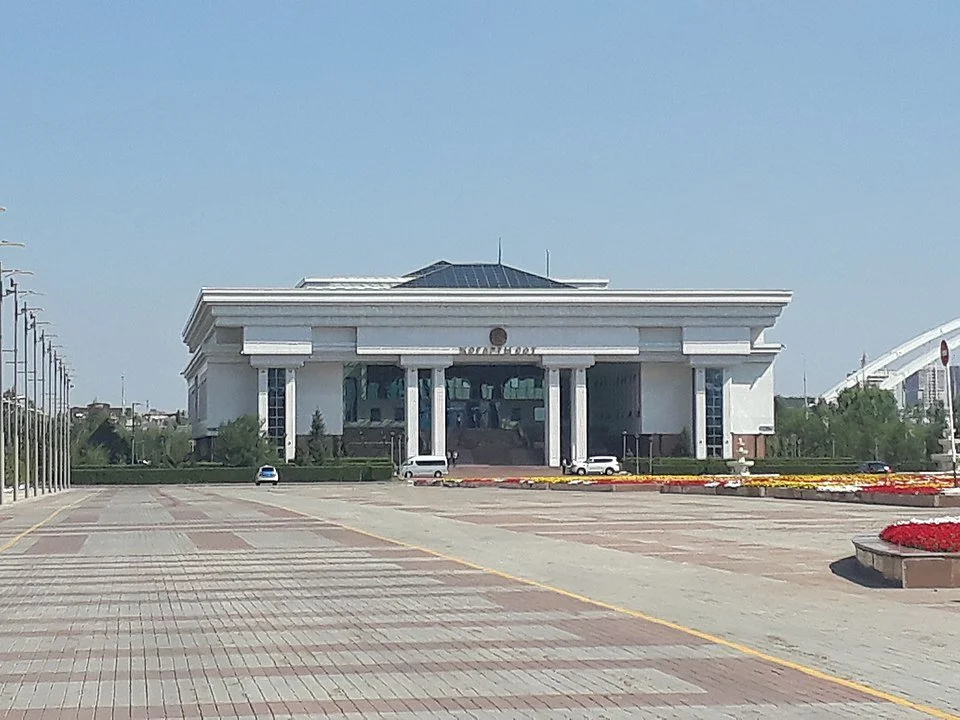
The strength of Kazakh courts for resolving commercial disputes lies in availability of various specialized courts. We have commercial courts for disputes between businesses, companies, and sole proprietors. We also have administrative courts for disputes between businesses, companies, and sole proprietors, on one hand, and governmental bodies, on the other hand.
Read More
![Comments on Recent Cases: October 2022]()
Many states have consumer protection statutes that make it easier to sue companies that use deception in selling consumer goods. While the language of these statutes may be broad, courts sometimes interpret them narrowly in litigation.
Read More
![Third Party Subpoenas]()
After preparing the subpoena, a party needs to serve the subpoena in the same manner that it serves a summons. Often lawyers reach out to the lawyer for the subpoena recipient, who agrees to accept service without the need for the technical service procedure. The serving party usually also needs to serve a copy of the subpoena on each of the other parties to the litigation, which may also give them the opportunity to fight it in court.
Read More
![Non-Disclosure Agreements]()
Non-Disclosure Agreements often begin with a definition of what information exactly is “confidential” and therefore should not be disclosed. Usually this is information that one party gives to the other that isn’t already public. Such a broad definition allows a company to re-use the same NDA for multiple situations and permits it to file the NDA in court without fear that the NDA itself will reveal any secrets. But sometimes an agreement may be more specific to avoid any doubt about what the subject matter is.
Read More
![Strike 3 Lawsuits]()
In my review of Strike 3 lawsuits, I have seen none proceed to trial. The vast majority that I see settle, which means that Strike 3’s business appears to me to be twofold: First, getting random people to send it money to settle its lawsuits. And second, generally discouraging people from illegally downloading its films.
Read More
![Litigation in Panama]()
There is no summary judgment or motions to dismiss. This is true, even if you challenge a lawsuit on the grounds of the statute of limitations or similar defenses. Instead, a defendant needs to litigate a case through its conclusion.
Read More
![Comments on Recent Cases: September 2022]()
A contract provision may seem clear to someone, but a court may not always see it the same way. Frequently, litigation arises because another party reads the contract differently. And a court may interpret a contract provision differently than its plain language because of what that language may mean in light of the other provisions of the agreement.
Read More
![Choice of Law]()
Sometimes there are no statutes or precedents from another jurisdiction that directly answer the question that a court needs to consider. In those situations, courts often will apply the law in the way they believe the other state would have applied the law. And, in some situations, courts in one jurisdiction can “certify a question” to the highest court of another state for it to answer so that the local court can apply the law correctly.
Read More