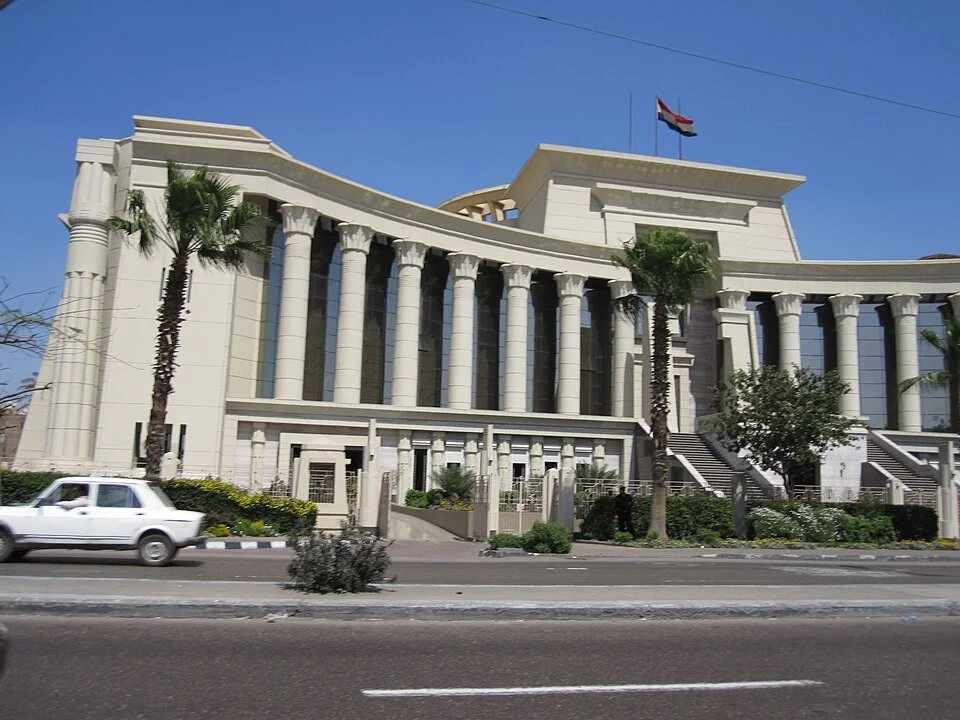
Litigation in Egypt
Lawyers are required to wear a robe during hearings—it is very similar in shape and color to the traditional French robe, reflecting the influence of civil law traditions in Egypt.
Read MoreA blog about the work lawyers do to win commercial disputes by Will Newman
Lawyers are required to wear a robe during hearings—it is very similar in shape and color to the traditional French robe, reflecting the influence of civil law traditions in Egypt.
Read MoreCourts typically defer to the decisions of arbitrators, even when they believe that the arbitrators made a mistake. This is because federal law implements a policy where people can rely on arbitration being quick and final and not just the first step towards a lengthy litigation process. Still, people still attempt to appeal in court and, sometimes, they win.
Read MoreThe client may believe that, if her lawyer says “too bad” to an adversary who is about to go off on vacation and therefore cannot respond to a complaint, the lawyer may be doing justice by helping her win quickly and cheaply. But the truth is that the opposing counsel will likely be able to ask the court for an extension anyway and then be less willing to give extensions in return when the client’s counsel wants them. It’s a lose-lose situation.
Read MoreSophisticated businesses often agree to resolve their disputes through private arbitration instead of by going to court. Arbitration has numerous advantages, such as being confidential instead of public and being generally less expensive. But another advantage is that the parties can provide input on the selection of their arbitrator and thus can select an arbitrator and a forum that is well-suited for commercial disputes.
Read MoreI try to let clients know that I understand what they are going through. It may make a lawyer easer to trust if they recognize the emotional challenges that client may be going through because that may mean they have more emotional intelligence, or at least experience with similar issues.
Read MoreOur national procedure system (or Procedure Code) establishes two big ways of producing evidence before trial, even though both of them requires the involvement of the judge and, in one of them, of the counterparty also.
Read MoreCourts typically defer to the decisions of arbitrators, even when they believe that the arbitrators made a mistake. This is because federal law implements a policy where people can rely on arbitration being quick and final and not just the first step towards a lengthy litigation process. Still, people still attempt to appeal in court and, sometimes, they win.
Read MoreClients often hire lawyers in their own community. And those lawyers typically are allowed to appear in the local court. But sometimes clients hire lawyers from another community than the one in which the relevant court is located. This has happened a lot in my work, and so I wrote a post about lawyers being temporarily admitted to a different court. A few years later, I write to update the post.
Read MoreLawyers do not wear a robe and should instead wear formal business dress, though sometimes they dress casually.
Read MoreWhile a plaintiff in litigation can recover money owed without a written contract on the principles of basic fairness, the existence of a written contract often prohibits recovery on fairness or “equitable” grounds. But litigants often debate when a written contract exists.
Read MoreThe bulk of the relevant material may be there since it includes the materials the parties thought to ask for and that counsel identified as being relevant. But there may be relevant information elsewhere! And so a creative litigator thinks outside of the box and searches for more facts that may be useful.
Read MoreWitnesses swear to tell the truth at the start of their depositions, just as they do when they testify in court. And violating that oath is technically a crime, just as it would be for lying in court. And a court reporter makes a verbatim transcript of the deposition, which allows lawyers to submit the exact same testimony at trial.
Read More