Malpractice Litigation
A lot of litigation arises from plaintiffs’ claims that defendants did their job so beneath the minimum standard of care that it harmed them. Sometimes a patient will sue a doctor and allege they failed to catch a serious illness. Or a client will sue a lawyer and allege they failed to advise them of an important law. Or a landowner may sue an architect and allege they designed a flawed building. These kinds of cases are often complex and involve technical issues.
Why should you continue to read this post about malpractice litigation?
It could be malpractice not to.
You’re suing your dentist for telling you to floss.
You want to know who pays the huge amounts advertised on billboards.
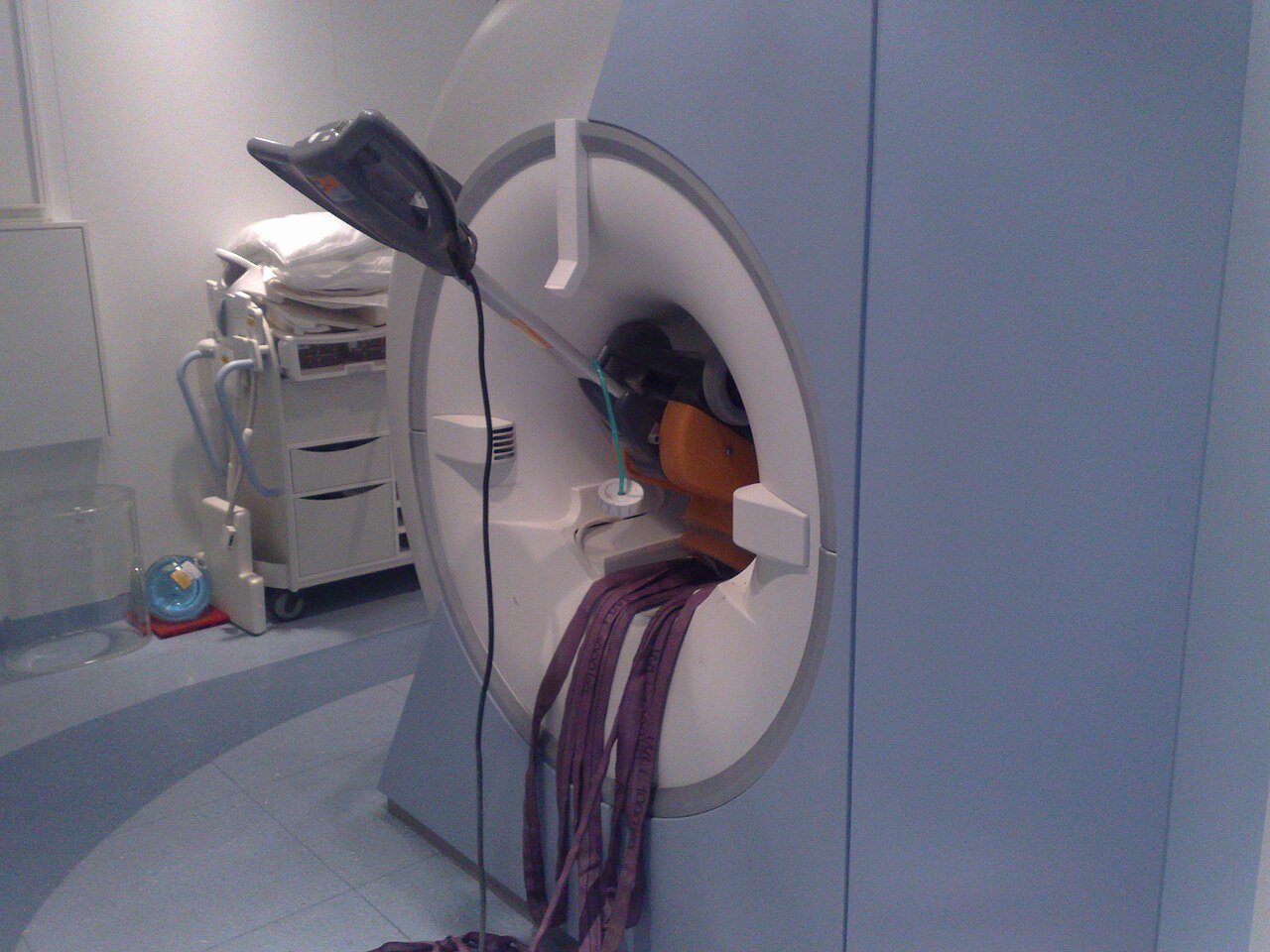
Image credit: A floor-wax machine sucked into the magnetic field of an MRI machine, 2011. Whether or not this prompted malpractice litigation, it’s a reminder that negligence can happen even with a skilled team. Xksev, MRI accident on a 1.5 Tesla MR system, CC BY-SA 4.0
Plaintiffs Need to Establish Negligence
A plaintiff does not have a winning malpractice claim just because she is unhappy with a professional’s work. Nor does she have a winning malpractice claim just because the lawyer did not win a big case or the doctor did not cure her. To succeed on a malpractice claim, a plaintiff needs to first establish the elements of negligence. In New York, those are:
the defendant owed the plaintiff a duty of care;
the defendant breached that duty; and
the breach was the proximate cause of the plaintiff’s damages.
To prevail on the first two elements, the plaintiff needs to establish that there is a generally accepted standard of care that applies to professionals and that the defendant’s action breached that standard. So, for example, it could be that the standard of care for a surgeon is to make sure her tools are disinfected and, in a particular case, she re-used old dirty tools. This could be a specific duty that the defendant breached. It is generally not enough, however, to say the professional had a duty to do a great job; it usually must be a specific obligation that the defendant failed to perform.
Beyond that, the breach needs to be the proximate cause of the plaintiff’s damages. And so even if a plaintiff finds out that the defendant messed up and failed to live up to her professional duties, the plaintiff may not prevail in court unless the professional breach caused the plaintiff measurable harm. If a surgeon’s use of dirty tools did not cause a plaintiff to get sick because of the dirty tools, the fact that the doctor did her job badly may not be enough to file a negligence claim.
Cases Turn on Expert Analysis, as Interpreted by Lay Judges and Juries
Establishing the elements of negligence in a malpractice claim often depends on very technical questions. Relevant professional standards are often not standardized, or if they are, not easy for someone outside the industry to understand. Instead, someone like a professor may appear to say what the professional standards are. The expert witness may first have to show why she is qualified to say not just what is an ideal practice, but what the professional standard in the field is. The defense, however, may respond by saying that the standards differ and bring up the debates about those principles in the real world. They may bring their own expert.
In addition to debates over what professional standards are, there may be a debate about proximate cause. To use the surgeon example again, a plaintiff may claim she got a bad infection from a contaminated scalpel, but the defense expert may explain that the plaintiff’s infection likely came from somewhere else, meaning that even if the defendant breached her duty, the medical practice didn’t cause the plaintiff’s harm.
Many states, like Georgia, require an expert opinion to even file some kinds of malpractice lawsuits. The purpose is to reduce the burden of frivolous lawsuits that have no chance of success.
Even though these issues are complex and are debated by experts, ultimately a malpractice claim may have a lay judge or jury that decides the facts. A judge or jury with no expert training at all may weigh the evidence and the credibility and reliability of the experts and decide whom to believe on professional standards and whether the defendant violated them. This is, understandably, an unpredictable process, which is why many cases have pressure to settle before trial. Judges, however, may dismiss malpractice claims before trial on summary judgment if in their opinion, the plaintiff has not offered sufficient evidence. Judges are experts in law, but they can’t be experts in every field. The outcome is unpredictable.
Insurance Companies Pay Claims, but Costs Get Pushed to Policyholders
The harm a person may suffer from professional malpractice may be millions of dollars or more. They could lose a major commercial transaction, require serious medical attention for years, or lose their life. Most people who practice law or medicine couldn’t possibly compensate a plaintiff for these costs. But professionals typically have malpractice insurance and the insurance company often assumes responsibility for the defense and for paying plaintiffs.
Insurance companies, however, charge large premiums (especially to doctors) because of the major risks they take. This ultimately gets passed on to patients. Since America has a unique system of malpractice liability, allowing for huge possible judgments, it has much higher healthcare costs since some of those costs go towards premiums for insurance policies.
Insurance companies often have “panel counsel” who defend malpractice claims. Since the lawyers that bring malpractice claims often are familiar with how they work and the lawyers that defend them typically defend a lot of cases on behalf of the insurance company, settlements become possible as experienced lawyers can estimate fair values of claims. Still, some cases are close calls. Even legal professionals can disagree on what a fair settlement could be, and these are the cases that lead to expensive trials and appeals.