Filtered by Category: Interviews
![Litigation in the Bahamas]()
In the Bahamas, it is not difficult for litigants to attend court proceedings remotely if they cannot travel to the island where the hearing is taking place. Further, the Supreme Court has permanent judges and registries on both New Providence and Grand Bahama. The country includes over 700 islands.
Read More
![Litigation in the British Virgin Islands]()
The British Virgin Islands is an Overseas Territory of the UK, but is not ‘part’ of the UK. Each Overseas Territory is its own jurisdiction but is not a sovereign state. The BVI court system is very similar to the UK system. The BVI is part of the Eastern Caribbean Supreme Court (ECSC) – which acts as the court for nine English Common Law jurisdictions and territories in the Eastern Caribbean. Each of the nine has its own High Court registry with in the ECSC, and appeals go to the ECSC of Appeal – which sits in the BVI three times a year (and more often if required). There is a final appeal to the Privy Council in London – the Privy Council comprises members of the UK final court of appeal.
Read More
![Litigation in Guatemala]()
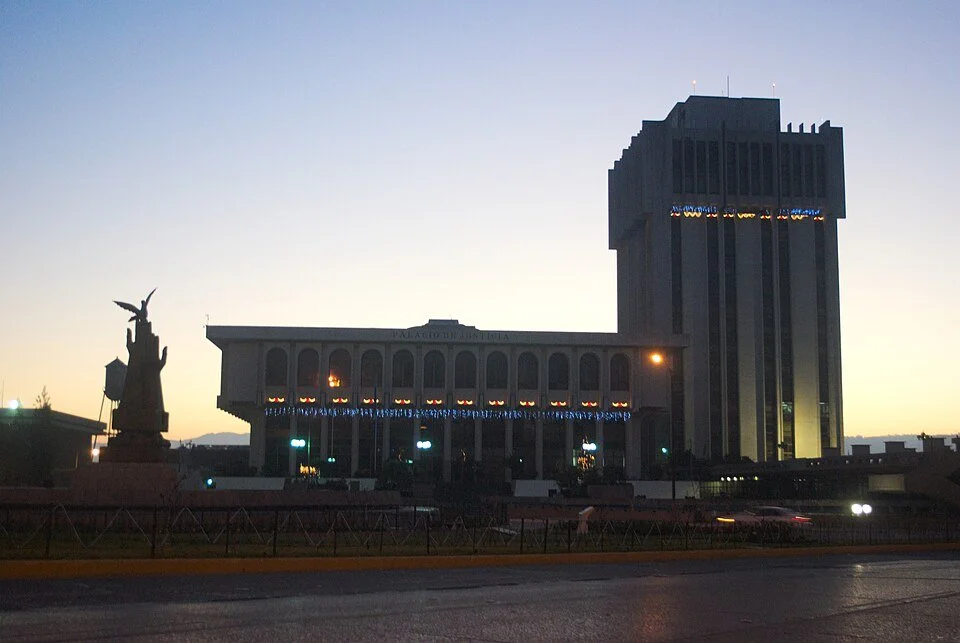
Guatemala is known for its natural beauty, architecture, and strategic position withing Latin America, which led to the current development of its Interoceanic Corridor. While its tropical climate is one of its great attractions for many, the Guatemalan legal system shares the strengths and weaknesses of most of Latin America.
Read More
![Litigation in Singapore]()
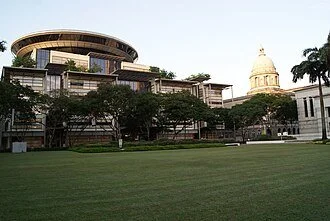
The Singapore Courts deal with a high volume of all sorts of commercial disputes. The Singapore International Commercial Court specialises in international commercial disputes and streamlines complex cases with informed judges. The panel of judges in this court is populated by international judges sitting with local judges. Other areas can be just as focused, with the judges hearing cases within their domain expertise.
Read More
![Litigation in Uruguay]()
Unlike common-law systems where paying the other party’s legal fees helps limit unnecessary litigation, each party pays its own legal fees in Uruguay. There are two exceptions: judgment enforcements and egregious behavior.
Read More
![Litigation in Hong Kong]()
An advantage of the courts in Hong Kong is that they maintain strong judicial independence. On the other hand, there is a high risk and cost of litigation, and it can take three to four years to get to trial.
Read More
![Litigation in Seychelles]()
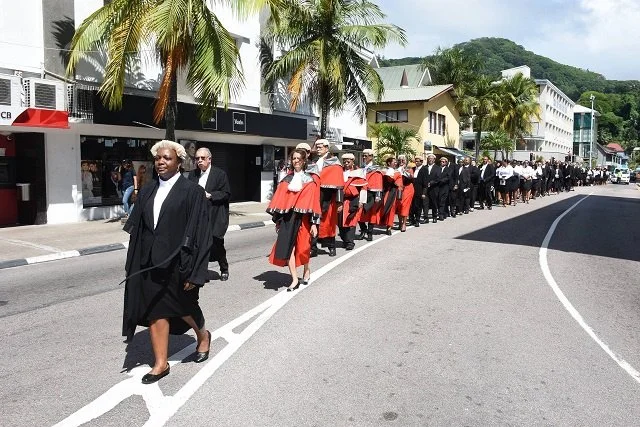
As English French and Creole are all national languages of Seychelles, legal proceedings could include any one of them. However, English is the language used in court. So if a witness speaks Creole or French, they will be provided an English-language interpreter for the court record.
Read More
![Litigation in Lithuania]()
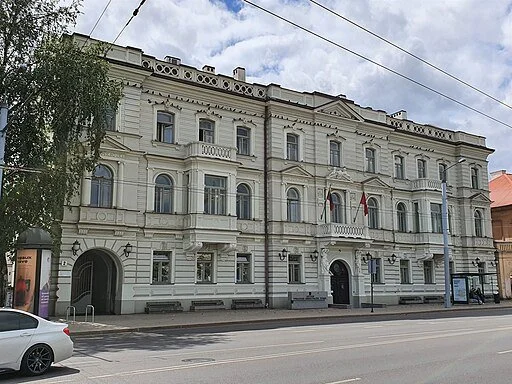
Lithuania’s private law has been a mixture of rules from Germany, France, and Netherlands. In 2004 when Lithuania joined the EU, they not only adopted the regulations that apply to all member states, but they amended other national laws to align with European principles. Today, Lithuanian commercial law is European and modern.
Read More
![Litigation in Lebanon]()
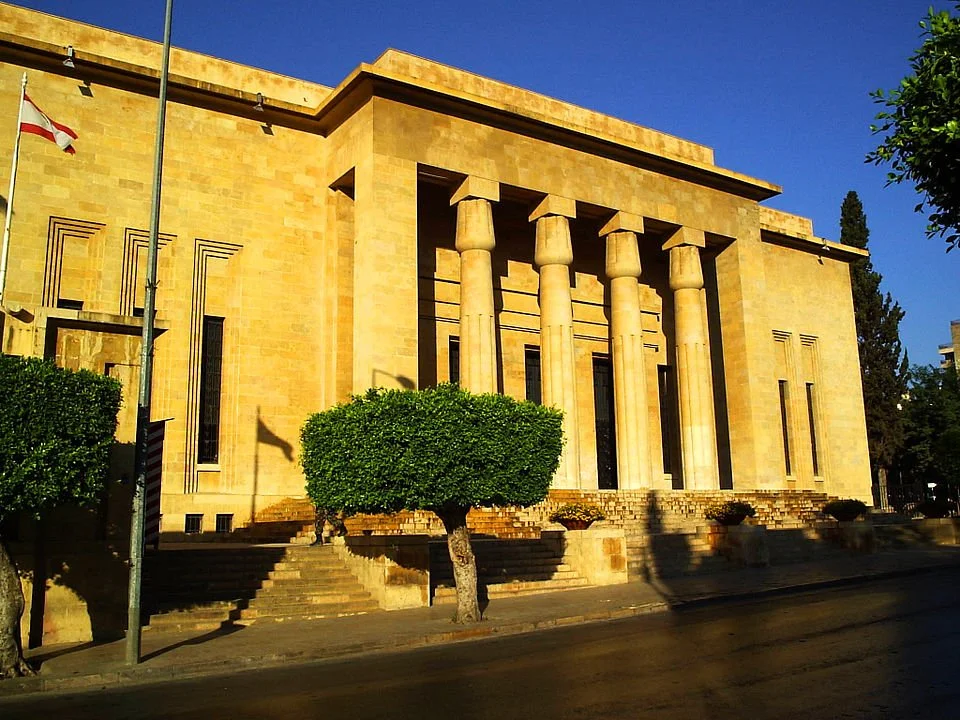
Lebanon has a first instance court, which is like a county court in the United States. After that, a party can appeal to an appeal court, an after that there is the Cassation court, which is derived from the French court system. That court only hears cases, though, when the appeals court judges disagree or when there was an error at the appeals court.
Read More
![Litigation in Liechtenstein]()
Liechtenstein has enforcement agreements only with Austria and Switzerland, except in arbitration matters where it has joined an international enforcement convention. In civil proceedings without arbitration, it may therefore be necessary to re-litigate the case entirely in Liechtenstein.
Read More
![International Arbitration]()
There are a few cases of procedures for the independent production of evidence to be used in a forthcoming arbitration, which are not usual in a civil law jurisdiction. Documentary evidence is filed in the case docket. In case the tribunal grants document production, depending on what's produced, it's for the tribunal's eyes only, it's blackmarked, or it’s filed for all access.
Read More
![Litigation in the Kyrgyz Republic]()
At present, paper filings are still required in Kyrgyzstan. Pleadings must be submitted in person or by courier. There is no nationwide electronic filing system for courts yet, although limited email communication is sometimes allowed.
Read More