Comments on Recent Cases: September 2026
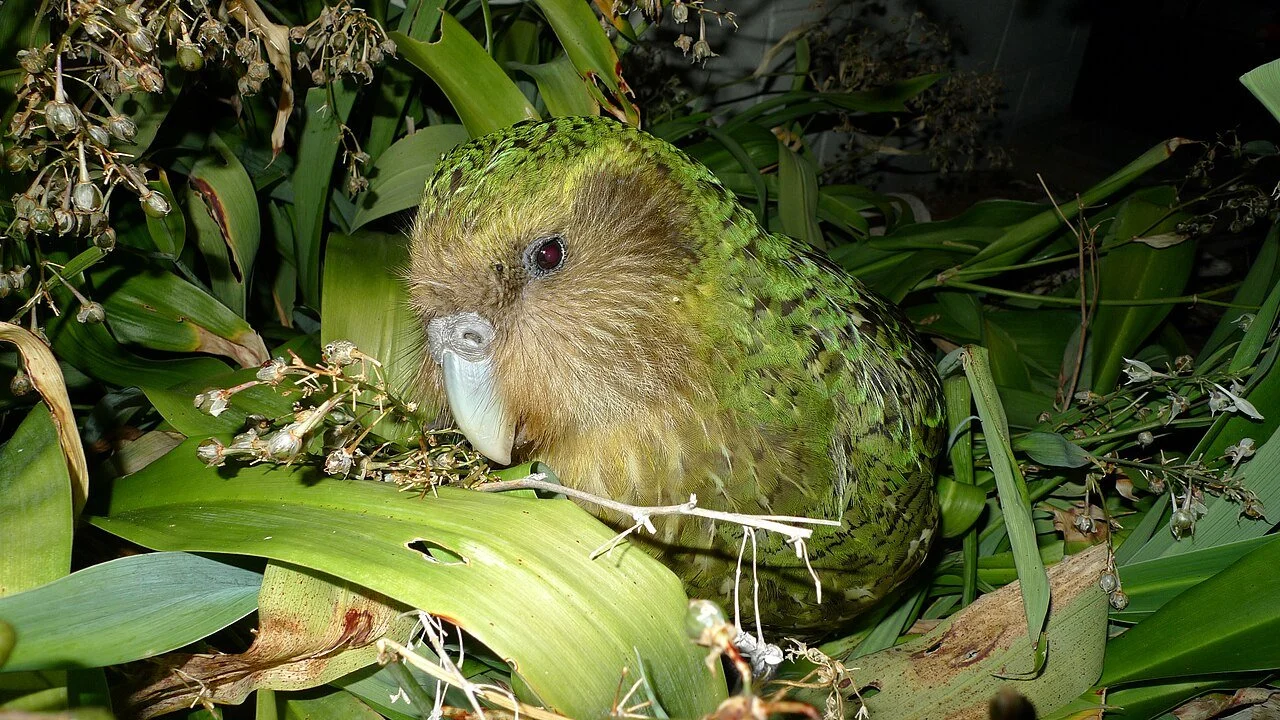
Image credit: Dept of Conservation, Kakapo Sirocco 1, CC BY 2.0. Kākāpō parrots were facing extinction, but their population reached a new high. “Sirocco” by Chris Birmingham, 2012.
Part of my work involves reading court decisions to keep abreast of how judges decide the types of cases I handle. Below, I share some thoughts on recent decisions.
Court Approves Broad Definition of Contract Term
Commonly, contracts promise delivery of goods or work in exchange for money. Sometimes, an agreement requires a party to work towards a goal rather than committing them to achieving it. This is something the “I’ll try” party may be eager to agree to, but it also means the other party can place less reliance on the ultimate goal’s achievement and enforce other contract terms earlier. This uncertainty can lead to litigation.
For example, in a recent case before the state appeals court in Manhattan, creditors sued a debtor, alleging that they were owed a fee if a debtor “raises or commits to raise” additional funding. The defendants said this provision should only be triggered after they raised the first amounts. But the court agreed with the creditors that “commits to raise” includes actions taken in furtherance of raising money, even if the money was not yet obtained, and at least booked. The case required a three-day trial to establish the meaning of the contract terms and the underlying facts.
Decisions like this illustrate the challenges that arise in contracts promising to work towards a goal rather than contracts with deliverables that are easier to identify
Court Finds Exception to Labor Law Arising from Pandemic Risks
One reason I don’t believe AI will replace human lawyers anytime soon is that people can propose changes to the law that may persuade judges, while computers can only summarize existing law. New thoughts require humans.
For example, in a recent case before the state appeals court in Manhattan, a worker suffered a personal injury in a staircase at his worksite in a hospital. Workplace injuries in hospitals may have a silver lining, but this one led to litigation.
While the Labor Law allows an injured worker to recover for an injury on a staircase if it is the sole means of entry, but the hospital argued that there was a second staircase the worker could have used. The plaintiff replied, however, that the other staircase led to a part of the hospital with covid patients. Since he was working at the height of the pandemic, he didn’t consider the stairway to that ward to be a reasonable option. The court agreed that this other staircase was too dangerous at the time to count as an alternative. AI may not have come up with this winning argument. At least for now, we need a person to imagine innovative reasons a staircase could be exempt under the law.
Decisions like this illustrate the role that fact-gathering and creative thinking play in a legal argument.