![More Thoughts on the Uniform Commercial Code]()
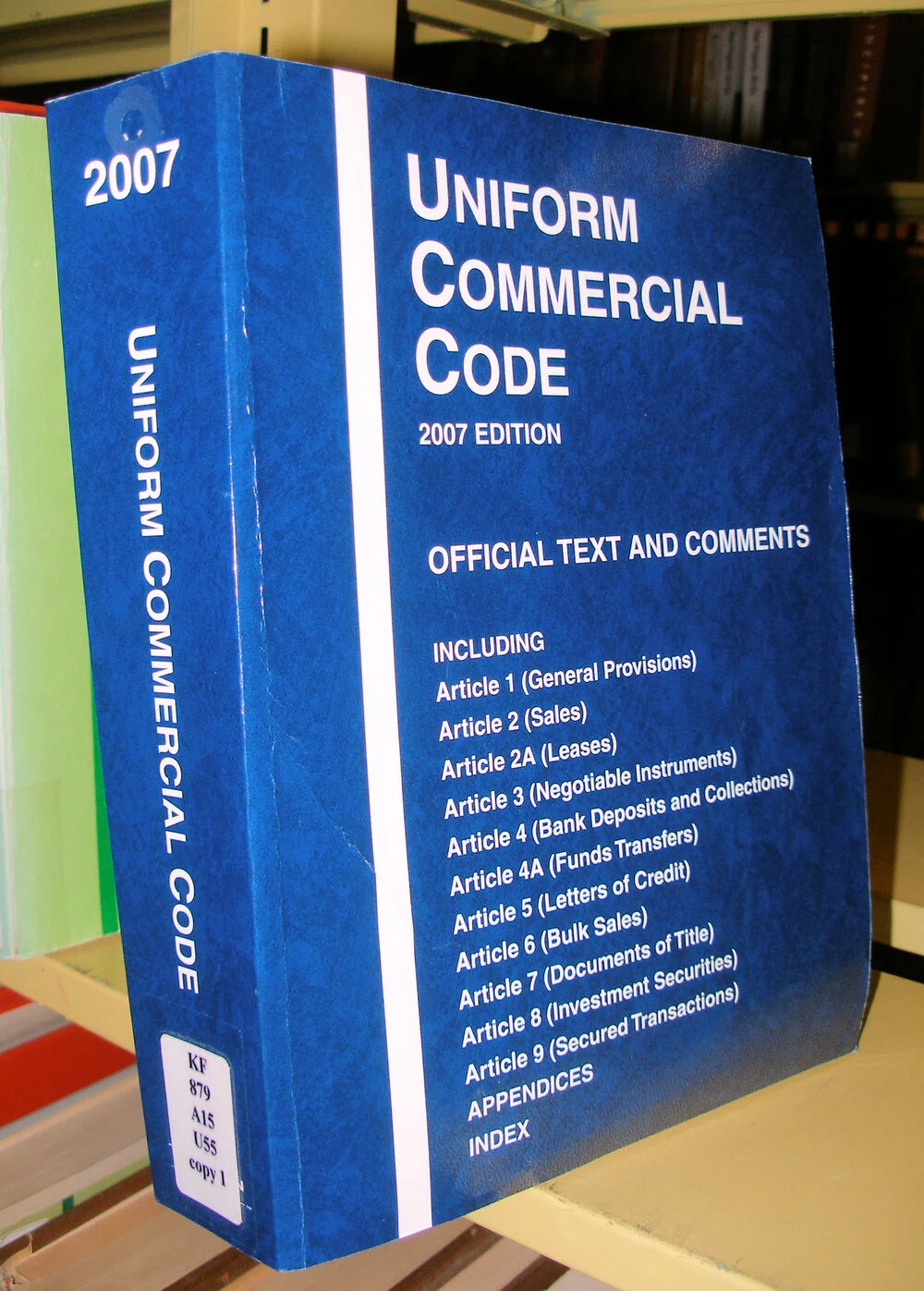
The UCC provides a lot of rules about what happens in the event of a breach. For example, it holds a seller responsible for the quality of goods it ships until the goods arrive at the buyer’s location, except in certain specific situations. And it sets forth how a buyer can reject defective goods.
Read More
![More Thoughts on the Convention on Contracts for the International Sale of Goods]()
Parties can determine whether the CISG is helpful for them based on whether they prefer its terms over the ones found in another applicable law. But putting those substantive differences aside, I believe that there is a significant benefit to the CISG, and a significant drawback.
Read More
![International Arbitration]()
There are a few cases of procedures for the independent production of evidence to be used in a forthcoming arbitration, which are not usual in a civil law jurisdiction. Documentary evidence is filed in the case docket. In case the tribunal grants document production, depending on what's produced, it's for the tribunal's eyes only, it's blackmarked, or it’s filed for all access.
Read More
![The Convention on Contracts for the International Sale of Goods]()
Parties can determine whether the CISG is helpful for them or not based on whether they prefer its terms over the ones found in another applicable law. But putting those substantive differences aside, I believe that there is a significant benefit to the CISG, and a significant drawback.
Read More