Filtered by Category: Litigation
![Serving the Summons]()
Corporate defendants may automatically designate the state government its agent for service of process (or may affirmatively designate some third party to be an agent). In those cases, plaintiffs often may properly serve a defendant by delivering or mailing a complaint to the agent instead of to the company itself.
Read More
![Representations and Warranties]()
Many contracts have “indemnification” provisions, that state exactly what a defendant needs to do if a representation is false. For example, the provision may state that the defendant is only responsible for a certain amount of damages or that the plaintiff needs to follow a specific procedure before it can bring a lawsuit.
Read More
![The Convention on Contracts for the International Sale of Goods]()
Parties can determine whether the CISG is helpful for them or not based on whether they prefer its terms over the ones found in another applicable law. But putting those substantive differences aside, I believe that there is a significant benefit to the CISG, and a significant drawback.
Read More
![Trial Exhibit Lists]()
The process for making an exhibit list often begins several weeks before a “pretrial conference” with the judge to discuss the trial. Often the judge’s rules or the court’s rules will instruct the parties to exchange proposed lists of exhibits. By exchanging these lists before the conference, the parties can identify the subjects of agreement ahead of time and then present their disagreements to the judge at the conference.
Read More
![I Don’t Know]()
The focus of a litigator’s practice is often not to advise clients how to comply with the law in the future, but whether an action in the past violated a legal obligation. And in many situations, virtually no litigator can say with confidence how the law applies to a dispute without a detailed study of various contracts and laws that govern the relationships between the relevant parties.
Read More
![Settlement Agreements]()
A defendant may be additionally concerned that someone may argue that the plaintiff’s allegations must be true since it agreed to pay money because of them. This is why many settlement agreements contain a statement that the defendant is not admitting liability, but is only settling with the plaintiff to avoid further litigation.
Read More
![Direct Examination at Trial]()
According to an old adage, in cross examination the lawyer is the star, but in direct examination, the witness is the star. And so lawyers often draft questions so that the questions are short but the answers are long. Not only does this allow the judge or jury to focus more on the witness with firsthand knowledge than on the lawyer, but it also complies with a rule against “leading questions.”
Read More
![Bench Trials and Jury Trials]()
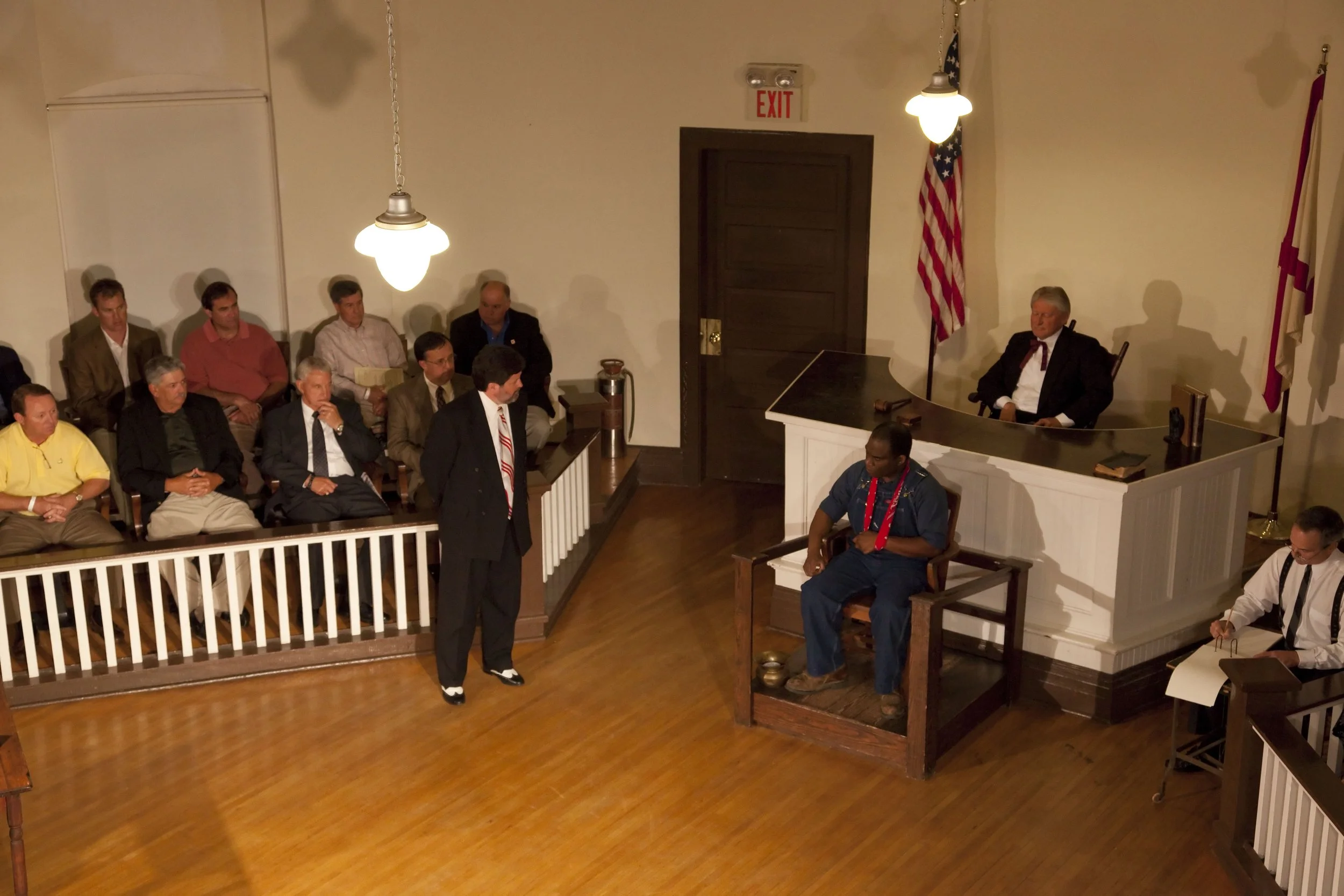
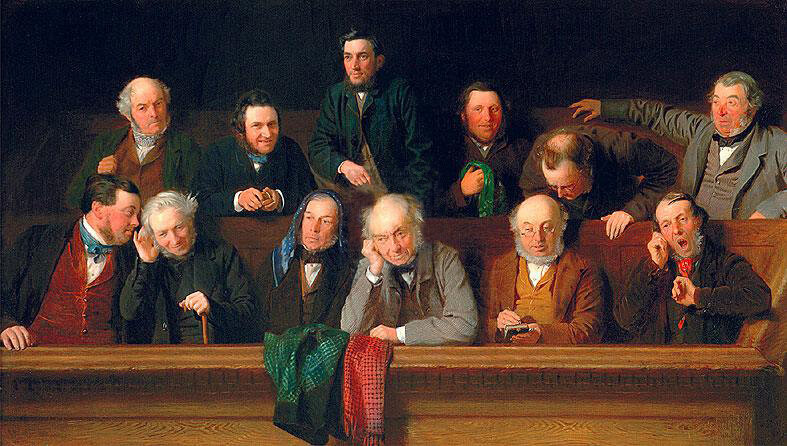
Commercial dispute plaintiffs in the United States often get to decide whether to have their claims decided at trial by judge or by a jury. Plaintiffs often select juries, because juries may be sympathetic to their claims. But there are also compelling reasons for a plaintiff to have a “bench trial,” in which the judge decides the facts of a case.
Read More
![Mediation]()
Although mediation is generally considered to be less expensive than litigation, this assumes that the mediation is successful. An unsuccessful mediation can be pretty costly and then fail to save any litigation costs. Mediation can be expensive because the parties often need to pay for the mediator’s time in reviewing the mediation statements, preparing for the mediation, and attending the mediation. And parties also need to pay for the costs of their attorneys to draft the mediation statements, and prepare and attend the mediation.
Read More
![More Steps Involved in Making a Document Production]()
Lawyers also need to make sure that documents are coded for privilege and redacted, even if the documents are not responsive to a document request. This is because a document may be produced because it is the family member of (attached to or embedded in) another document that is responsive to a document request and is thus subject to production.
Read More
![Drafting Interrogatories]()
Interrogatories may also be useful to define what an adversary’s claims or defenses are. To that end, a party may ask an opponent to identify each fact that supports its claims or each instance of misconduct that it alleges. Although a party may be able to ask the same questions to a party at a deposition, an interrogatory is more likely to get a useful response and less likely to get an “I don’t know offhand” or some other incomplete answer.
Read More
![Responding to Document Requests]()
Often, parties will make compromises in discovery to avoid the expense and uncertainty of going to court. For example, if a party believes it is entitled to all of a company’s financial records and the recipient believes it is entitled to none, the two may compromise and the recipient may agree to produce some specific financial records.
Read More