Filtered by Category: Litigation
![Summary Judgment]()
Many court rules require a party who moves for summary judgment to submit a statement of undisputed facts. An example is Local Rule 56.1 in the Northern District of Illinois. This statement is usually separate from the memorandum of law and contains numbered paragraphs that state each fact that the movant states is not in dispute and therefore does not require a trial. After each statement, the movant should cite evidence to support the claim. And when drafting this statement, the movant should make sure that there is not evidence that disputes the claim.
Read More
![Responding to Interrogatories]()
Getting answers usually involves working with the client and often reviewing source documents to ensure that the answers are correct. This is because a party is often bound by the answers provided in the interrogatories, so it is important that the responses are accurate. Moreover, the client often needs to sign a verification statement, swearing under oath that the statements in the interrogatory responses are true.
Read More
![Oral Arguments]()
Unlike an argument in a bar or at the dinner table, oral arguments in commercial litigation usually have an organized structure. In a trial court, the judge normally invites the lawyer making a motion to explain why her motion should be granted. And at an appellate court, the judges invite the appellant’s lawyer to explain why the trial court’s decision should be reversed. Then the lawyer begins speaking and opposing counsel is supposed to remain silent. The judge or judges, however, may interrupt with questions and even maintain a back and forth conversation with the attorney about the arguments.
Read More
![Making a Motion]()
A movant will often submit a legal report, called a brief or memorandum of law, explaining why the motion should be granted. The brief will usually recount the facts of the case and cite relevant law that explains why the judge should grant the motion. These documents can range in length from a few pages to twenty-five or more. Briefs often refer to evidence and, when they do, they cite to supporting affidavits or declarations.
Read More
![Class Actions]()
Many class action settlements are very low. Sometimes the class members get fewer than a hundred dollars, or even no money at all, but a free product instead. This is because the damages to individual plaintiffs may be low, and because settlements generally do not fully compensate plaintiffs as they reflect a compromise between the parties. But even when the payments to class members is low, the plaintiffs’ attorney may receive a substantial payment from the defendant for their fees working on the case.
Read More
![Sworn Statements]()
An affidavit will often have the “caption” or the name of the relevant lawsuit at the top of the page. Beneath that is usually the title of the document in all caps: AFFIDAVIT OF JANE SMITH. And then after a paragraph that says that the person who signed the affidavit (often called the “affiant”) did so under oath, there are usually a series of numbered paragraphs.
Read More
![Amended Complaints]()
If a complaint alleges fraud, the complaint may be vulnerable to a motion to dismiss if it does not allege that the defendant knew her statements were false at the time she made them because that is a necessary component of the claim. If the defendant moves to dismiss on those grounds, the plaintiff may address the deficiency by amending her complaint to include the necessary allegation.
Read More
![Joint Defense Groups]()
Counsel for minor participants often listen carefully to each of the joint defense calls to make sure that none of the issues negatively affect their clients. Since the major participants may not be thinking of the minor participants when doing their work, it is up to the minor participants’ counsel to make sure that their clients’ interests are protected.
Read More
![The Uniform Commercial Code]()
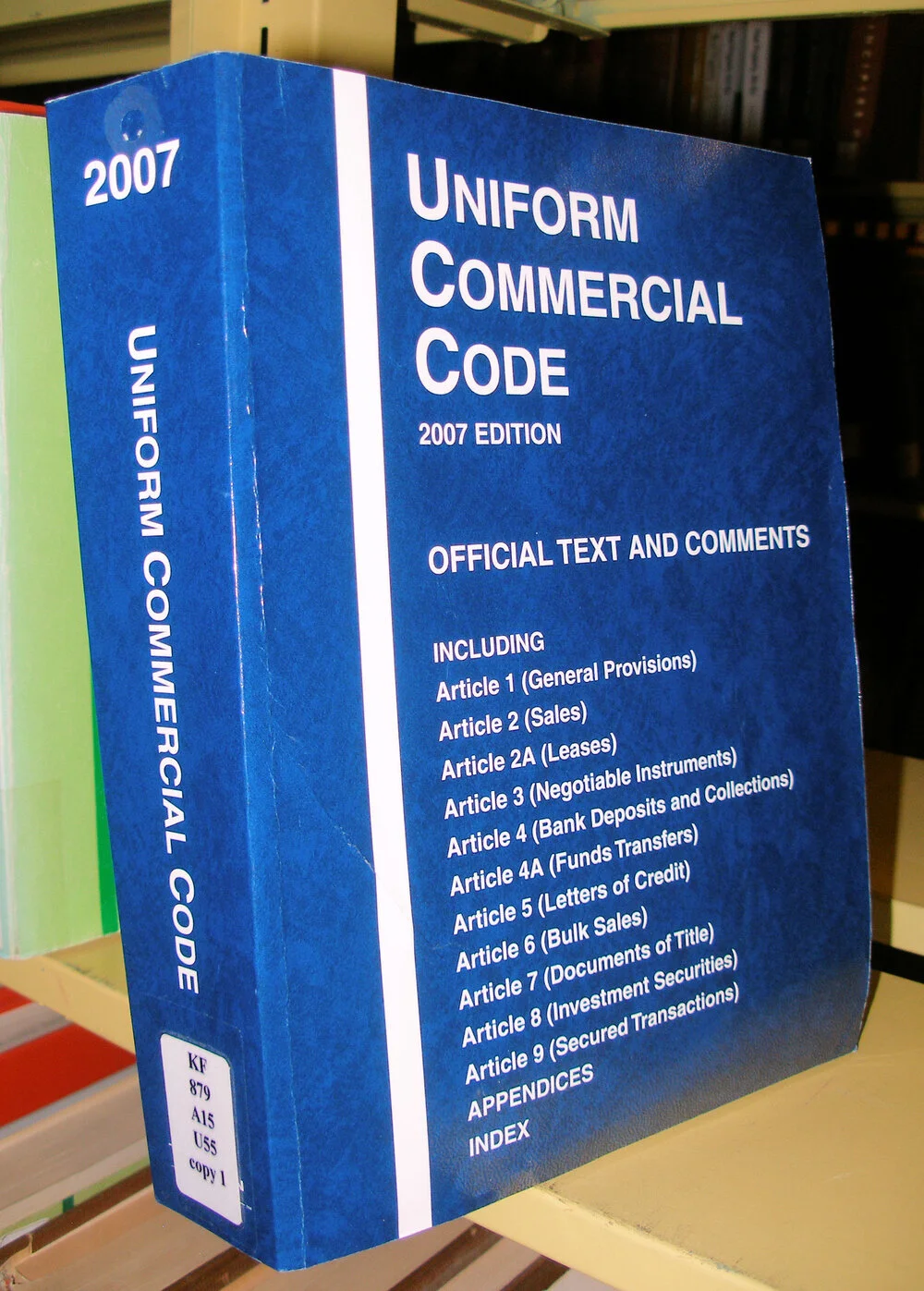
The UCC provides a lot of rules about what happens in the event of a breach. For example, it holds a seller responsible for the quality of goods it ships until the goods arrive at the buyer’s location, except in certain specific situations. And it sets forth how a buyer can reject defective goods.
Read More
![Hearsay and Foundation Objections]()
At trial, technical rules dictate what evidence is admissible and what evidence is not. Not only does this require lawyers to do a lot of work before trial to make sure their evidence is admitted, but it could baffle some people about why some great evidence wasn’t included.
Read More
![Arbitration]()
There are several reasons why parties may choose arbitration over litigation. One reason is efficiency: arbitrations tend to move faster than court proceedings. This is because arbitrators often have lighter caseloads than judges and because they have the flexibility to skip various formalities. Also arbitration usually does not permit appeals, which saves the parties the costs of an appeal.
Read More
![Cross Examination at Trial]()
Sometimes during cross-examination, things don’t go as planned. The witness may give a bad answer or the judge may cut off a line of questioning even though the lawyer really wanted to continue it. In those events, a lawyer is usually best served by remaining calm. Acting like these are huge losses may communicate to others that even the lawyer thinks their case is in bad shape. And while those losses are scary in the moment, a trial often has numerous opportunities for each side to make its case.
Read More