![Comments on Recent Cases: September 2026]()
Often an agreement requires a party to work towards doing something rather than committing them to achieving something. This is often something a party is more willing to commit to, but it means the other party can place less reliance on the goal being achieved. The uncertainty often leads to litigation.
Read More
![More Thoughts on Bench Trials and Jury Trials]()
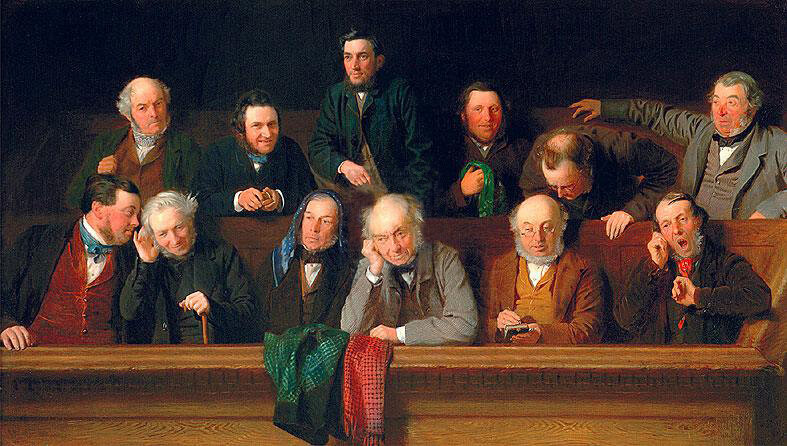
Commercial dispute plaintiffs in the United States often get to decide whether to have their claims decided at trial by judge or by a jury. Plaintiffs usually choose juries because they may be more sympathetic to the plaintiff’s claims. But there are also compelling reasons for a plaintiff to have a “bench trial,” in which the judge decides the facts of a case.
Read More
![International Arbitration]()
There are a few cases of procedures for the independent production of evidence to be used in a forthcoming arbitration, which are not usual in a civil law jurisdiction. Documentary evidence is filed in the case docket. In case the tribunal grants document production, depending on what's produced, it's for the tribunal's eyes only, it's blackmarked, or it’s filed for all access.
Read More